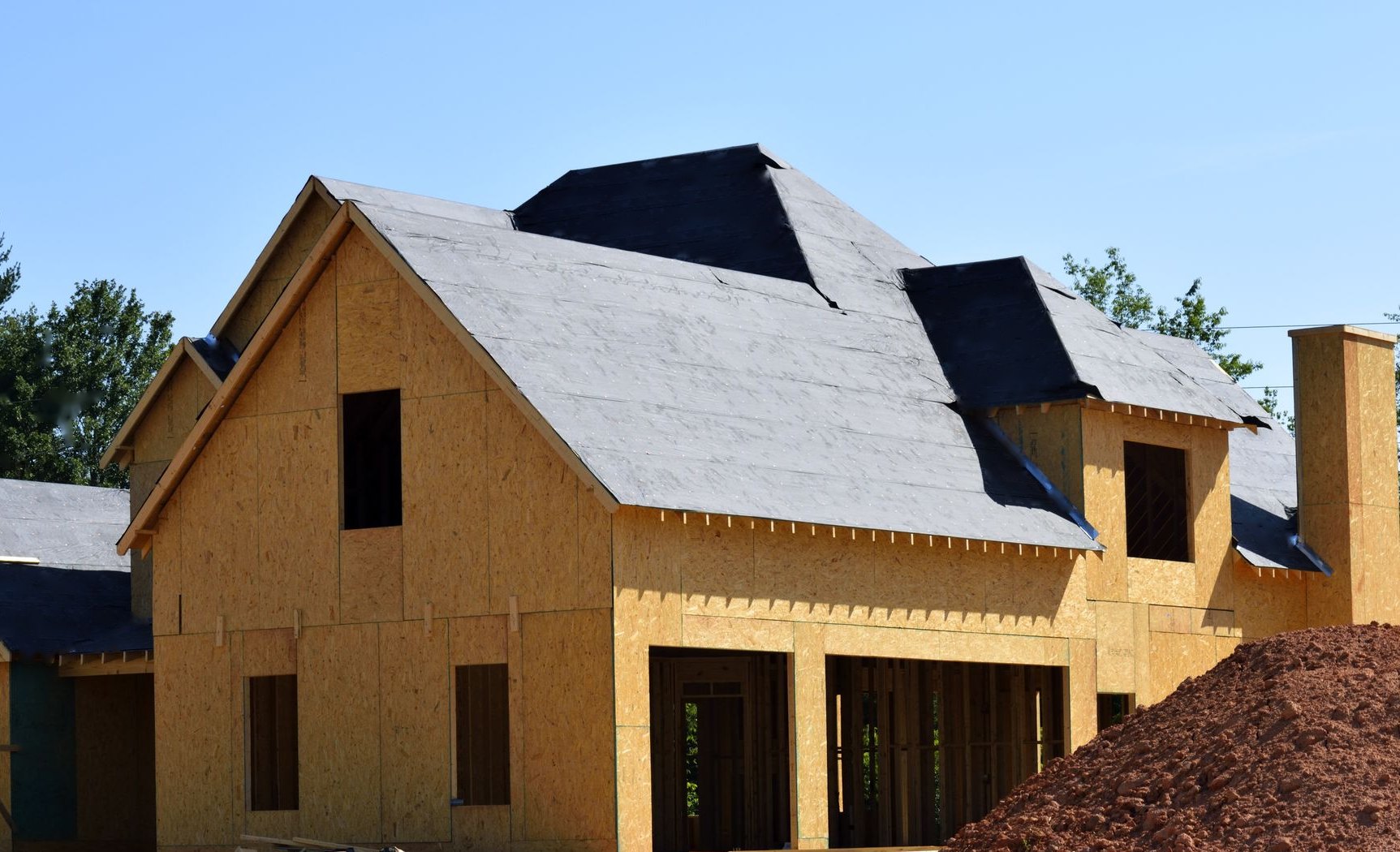
Buy it, renovate it, resell it.
Acquisition and renovation financing for investors repositioning residential property, arranged through approved lending partners and structured around your budget and exit.
Built for investors who renovate.
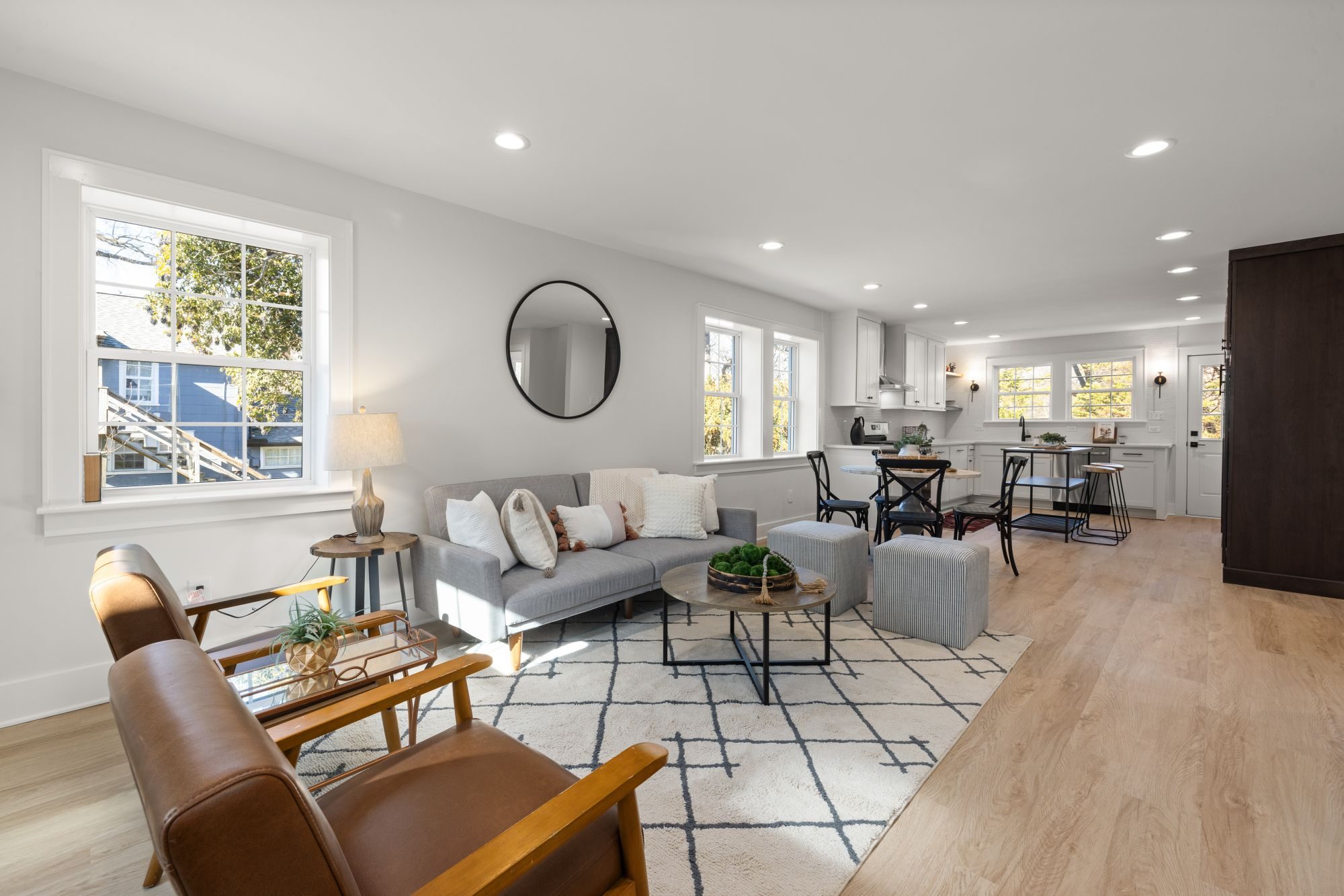
Fix and flip loans are short-term, business-purpose loans that can fund the purchase and the renovation of an investment property you plan to sell.
- First-time and experienced flippers (experience affects terms)
- Single-family and small multifamily investment property
- Projects with a clear scope of work, budget and resale plan
- Investors running several projects who want to keep cash free
What the program can look like.
Illustrative structure only. Each lending partner sets its own leverage, pricing, terms and requirements.
Rates, leverage, terms, draw structures, interest-reserve and non-Dutch interest features, and closing timelines are not guaranteed. They vary by lending partner and program and are subject to underwriting, appraisal, title review and approval. Business-purpose investment property only.
Rehab draws, step by step.
Draws keep the project moving without you funding every phase out of pocket, subject to the lending partner’s draw process.
1 · Budget approved
The lender reviews your scope of work and line-item budget during underwriting.
2 · Advance (if offered)
On qualifying deals, part of the rehab budget may be advanced at closing.
3 · Inspect and release
After each phase is completed and verified by inspection, the next draw is released.
4 · Exit
You sell or refinance and the loan is repaid per the lender’s payoff terms.
Documents lenders commonly ask for.
The exact list depends on the lending partner. Please don’t email SSNs, bank statements or ID documents — we’ll share a secure upload link when it’s time.
- Purchase contract and closing timeline
- Scope of work and line-item rehab budget
- Comparable sales supporting after-repair value (ARV)
- Track record of completed projects, if any
- Entity documents (LLC or corporation)
- Proof of funds for down payment and reserves
Common questions.
What are ARV, LTC and LTV?
ARV (after-repair value) is the projected value once renovations are done. LTC (loan-to-cost) is the loan divided by total project cost. LTV (loan-to-value) is the loan divided by the property’s current value. Lenders use all three to size the loan. See Borrower Resources.
Do I need flipping experience?
Not always. Experience usually affects leverage and pricing. Tell us your track record and we’ll look for programs that may fit.
Can I use this for my own home?
No. These are business-purpose loans for investment property only — not for owner-occupied or consumer purposes.